
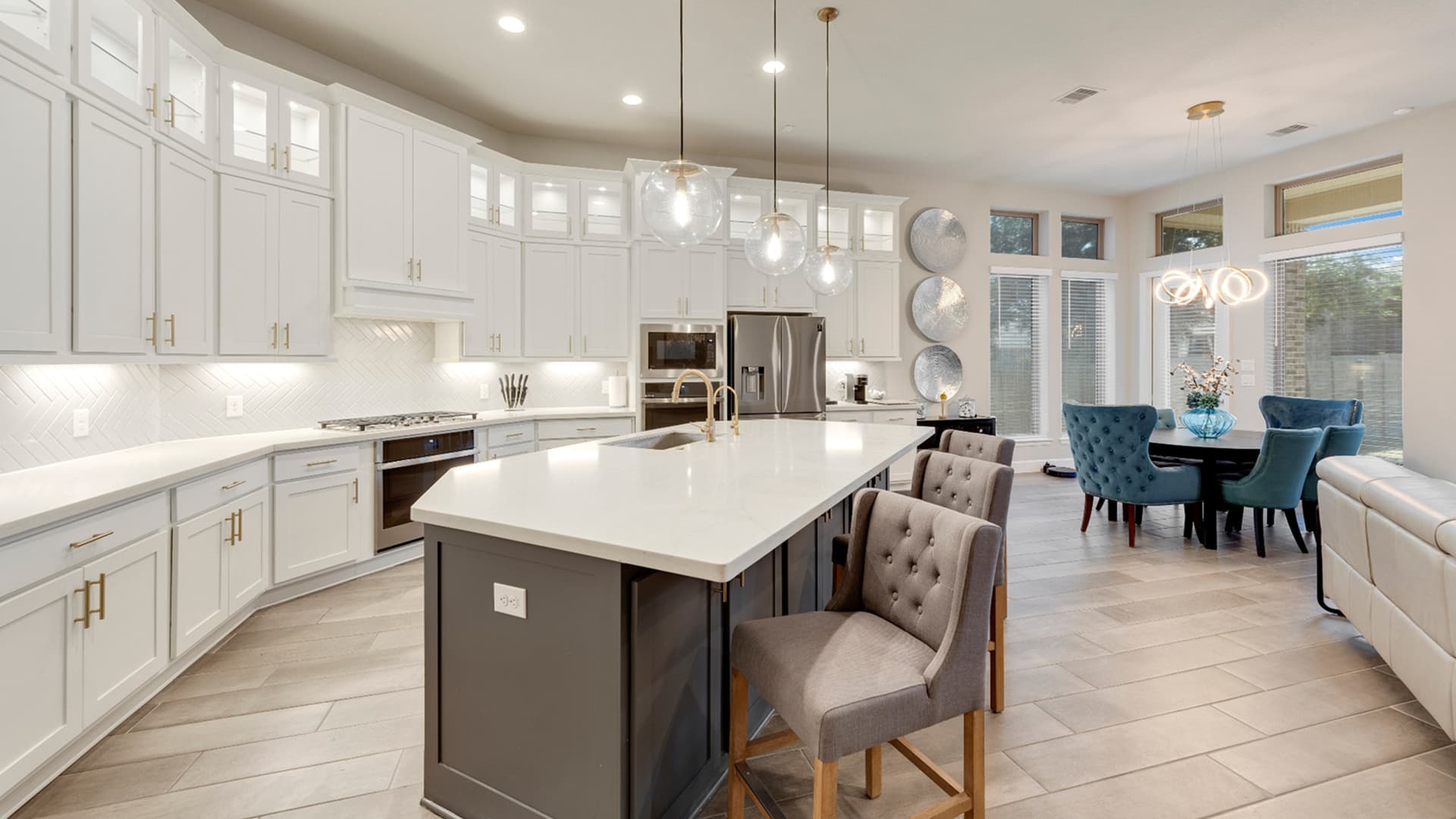
How Much Does a Kitchen Remodel Cost in Northeast Ohio in 2026?
Samvel Petrosov
Jun 06, 2026
4 min read
Published by Envision Carpentry LLC | Last Updated: June 2026 | Serving Northeast Ohio
Quick Answer
In Northeast Ohio, a kitchen remodel typically costs $25,000-$42,000 for a cosmetic refresh, $65,000-$95,000 for a full mid-range remodel, and $115,000-$150,000+ for an upscale transformation. Cabinetry is usually the largest cost driver, accounting for roughly 30%-40% of the budget.
2026 Kitchen Remodel Cost Ranges in Northeast Ohio
The table below reflects typical 2026 pricing for kitchen remodels in Northeast Ohio based on Envision Carpentry LLC project experience, current material pricing, and benchmark data from the 2025 Remodeling Magazine Cost vs. Value Report.
| Project Type | Northeast Ohio (2026) | Typical Scope |
|---|---|---|
| Cosmetic Refresh | $25,000-$42,000 | New counters, paint, hardware, lighting, minor finish updates |
| Full Mid-Range Remodel | $65,000-$95,000 | Full gut, semi-custom cabinets, updated layout, new flooring |
| Upscale / Luxury | $115,000-$150,000+ | Structural changes, custom millwork, premium appliances and finishes |
Sources: Envision Carpentry LLC project data (2024-2026), Remodeling Magazine Cost vs. Value Report 2025, and regional supplier pricing in Northeast Ohio.
What Drives Kitchen Remodeling Costs in Northeast Ohio?
The price of a kitchen remodel in Ohio comes down to a handful of major decisions:
- Scope of work: Keeping the existing layout is usually the fastest way to control cost. Moving plumbing, electrical, or gas lines can add several thousand dollars to a project.
- Cabinet selection: Stock cabinets keep budgets lower, while semi-custom and fully custom cabinetry can quickly become the most expensive part of the remodel.
- Condition of the home: Older homes often need subfloor repair, electrical upgrades, or framing corrections once demolition begins.
- Finish level: Appliances, counters, tile, lighting, and trim packages have a major impact on the final number.
Where Does the Money Go? Kitchen Remodel Budget Breakdown
Even when project sizes change, the rough percentage breakdown of a kitchen remodel budget tends to stay consistent:
| Category | % of Budget | What It Covers |
|---|---|---|
| Cabinetry | 30%-40% | Stock, semi-custom, or custom-built cabinets and millwork |
| Labor & Installation | 20%-25% | Carpentry, electrical, plumbing, tile, and finish installation |
| Appliances | 10%-15% | Mid-range to professional-grade appliance packages |
| Countertops | ~10% | Quartz, granite, butcher block, or premium slab materials |
| Flooring, Lighting, Backsplash | ~10% | Visible finish upgrades that shape the final look |
| Permits & Contingency | 5%-15% | Permit fees, inspection costs, and a healthy contingency for surprises |
"The biggest mistake homeowners make is choosing the cheapest cabinets to save money up front. You touch those components every day, so that decision shows up for years." - Alan Crespo, Lead Carpenter & Founder, Envision Carpentry LLC
Three Project Tiers Explained
Tier 1: Cosmetic Refresh ($25,000-$42,000)
This level works well when the existing kitchen layout still functions. A cosmetic refresh usually includes painted or replaced cabinet fronts, new counters, updated tile, upgraded lighting, and new fixtures. No major mechanical lines are moved, which helps keep the project efficient and cost-conscious.
Tier 2: Full Mid-Range Remodel ($65,000-$95,000)
This is the most common project tier for Northeast Ohio homeowners. A full mid-range remodel typically includes a complete tear-out, semi-custom cabinetry, new flooring, updated lighting, and a reworked layout that improves storage and workflow. Most projects in this range take 8-12 weeks once construction begins.
Tier 3: Upscale / Luxury Transformation ($115,000-$150,000+)
Luxury remodels often include structural changes, larger islands, custom millwork, integrated lighting, premium countertops, and professional-grade appliances. These projects usually require longer lead times, more coordination, and more detailed finish work throughout.
Hidden Costs and Common Budget Surprises
Some of the most important budget items are the ones homeowners do not see in the first round of inspiration photos:
- Electrical panel upgrades: Older homes may need service upgrades before modern kitchen appliances can be safely installed.
- Lead and asbestos remediation: Homes built before 1978 may require testing and professional remediation before demolition moves forward.
- Subfloor repair: Water damage beneath tile or cabinets is common in older kitchens and can affect schedule and budget.
- HVAC rerouting: Open-concept remodels often uncover ductwork inside walls that need to be rerouted.
2026 Material and Design Trends Affecting Cost
- Quartzite over quartz: Natural stone remains a popular premium upgrade for homeowners looking for a more distinctive finished kitchen.
- Integrated appliances: Panel-ready refrigerators and dishwashers continue to push project budgets upward in higher-end remodels.
- Material cost inflation: Cabinet hardware, lumber, and electrical components remain sensitive to year-over-year supplier changes, so older estimates can age quickly.
Frequently Asked Questions
The most common questions from this article, organized in a cleaner format so the section actually feels like an FAQ.
Cabinetry is usually the most expensive single component, often accounting for 30%-40% of the total budget. Labor, appliances, and countertops follow behind it.
Yes, a well-planned kitchen remodel can improve daily functionality and strengthen resale appeal. Return on investment depends on the home, the neighborhood, and the level of finishes selected.
Only if the current layout creates real functional problems. Moving plumbing, gas, or major electrical lines can add meaningful cost, so many homeowners get the best value by improving the layout without relocating every fixture.
A cosmetic refresh usually takes 3-5 weeks. A full gut-and-remodel often takes 8-12 weeks, while more complex structural projects can run 12-18 weeks depending on scope and material lead times.
Sometimes, but only when the items are straightforward and well-coordinated. Self-supplied materials that arrive damaged, late, or in the wrong size can create labor delays that cost more than the original savings.
Get a Project Estimate Tailored to Your Home
Envision Carpentry LLC has completed kitchen remodels across Northeast Ohio, including Strongsville, Westlake, Bay Village, Independence, North Royalton, Avon Lake, and Brecksville. Every estimate is built from an on-site review of your specific home, not a generic square-footage formula.